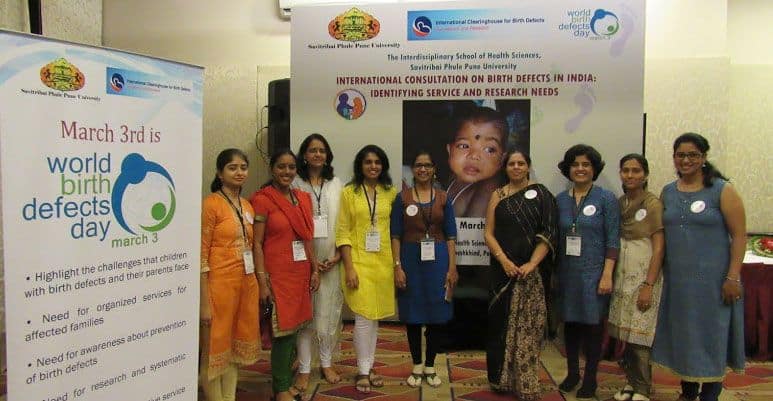
The group of doctoral & research students (From right to Left: Supriya, Amruta, Prajkta, Dr. Kar, Pooja, Kalyani, Charuta, Sumedha & Shweta)
Birth Defects Research Foundation, Pune is a continuation of the two-and-a-half-decade-long work initiated at the School of Health Sciences, Savitribai Phule Pune University, Pune India.
Our research focuses on understanding the epidemiology and public health implications of birth defects in India, with the goal of suggesting components for a low-cost, contextual, people-centric and ethical birth defects service. When the research initiated in 2000, there was low public health interest in these conditions, as they were considered to be rare and too debilitating to constitute a public health problem. In 2013 the Rashtriya Bal Swasthya Karyakram was launched, which included screening and early intervention for selected birth defects and developmental disabilities. Despite the RBSK, services are insufficient, and the distress of parents remains invisible.
Our Research
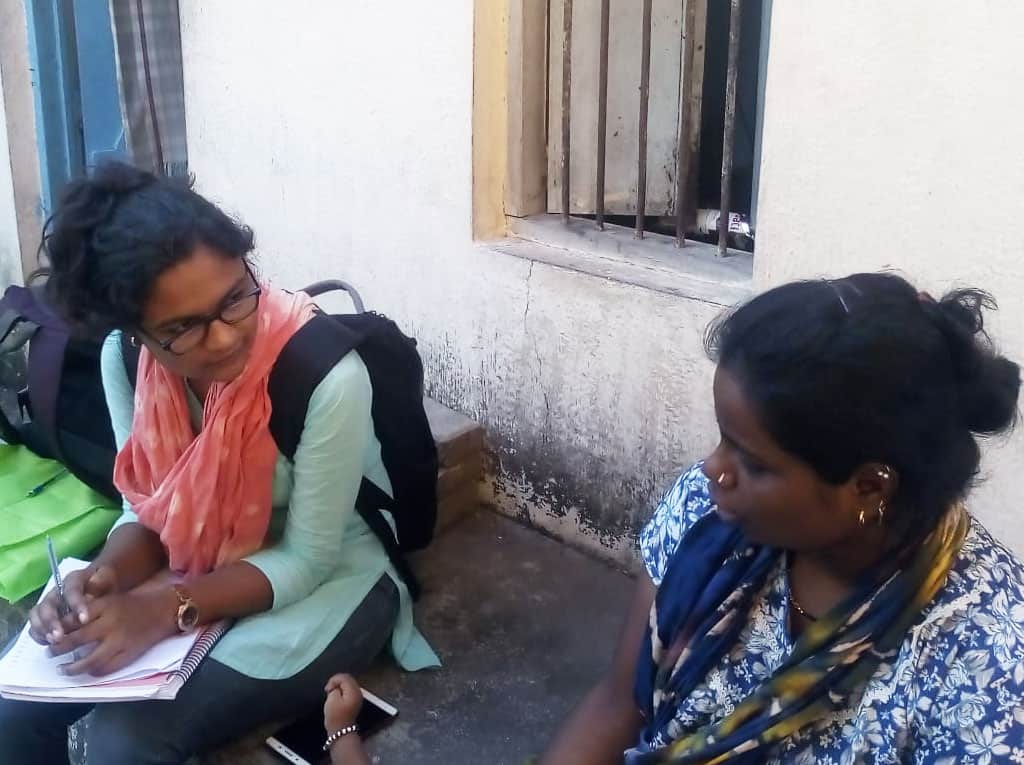
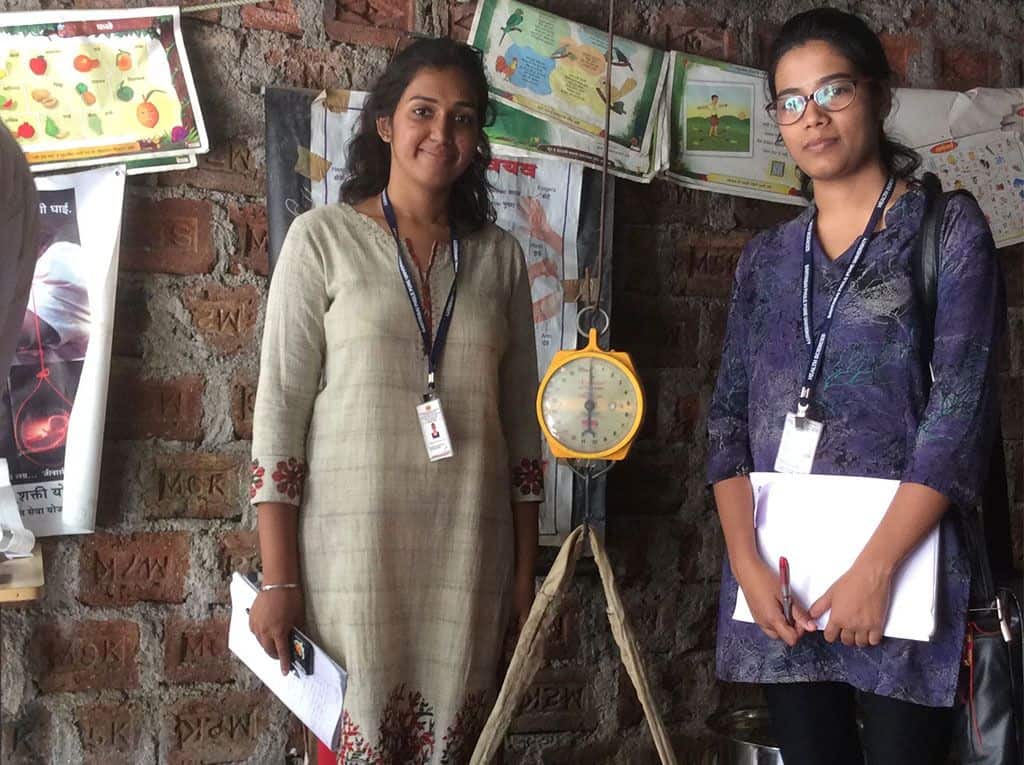
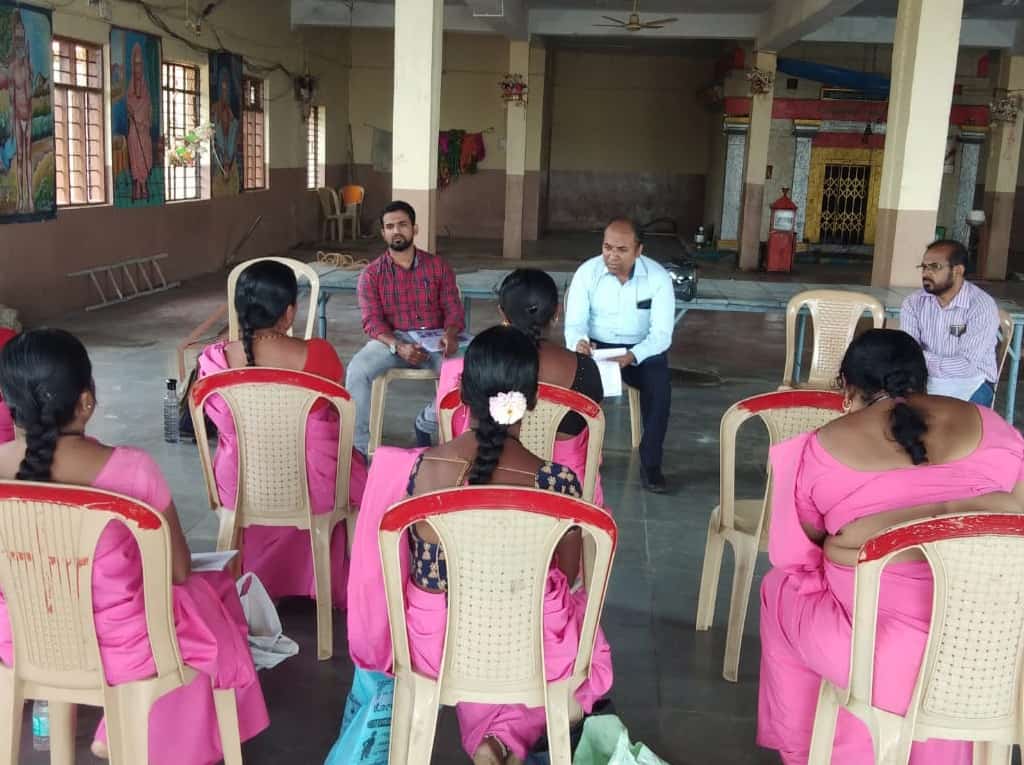
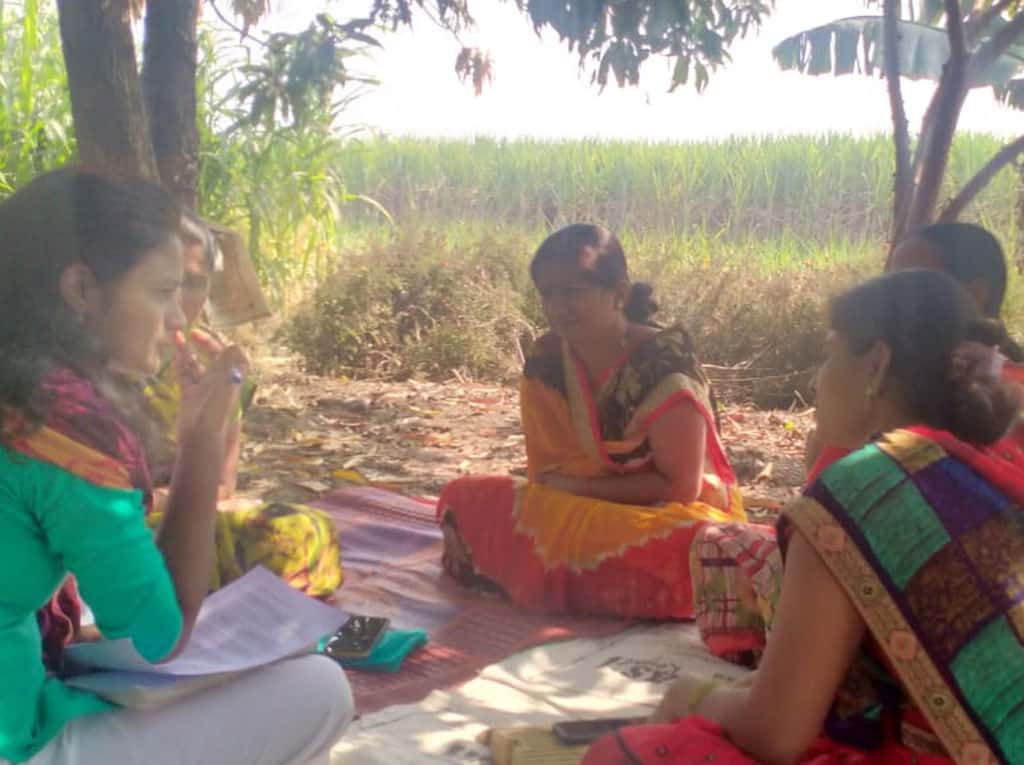
Our research focuses on birth defects (congenital disorders), examining their epidemiology and public health implications. The research has focused on understanding the elements of a situationally appropriate, equitable, and sustainable model of care for birth defects in low and low-middle income settings.
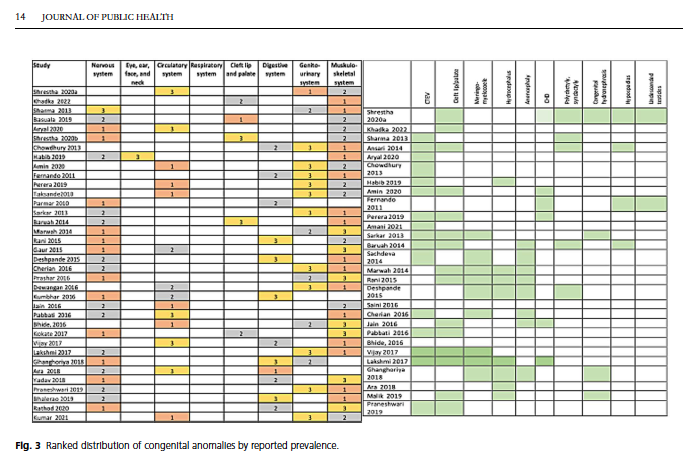
Our research has examined the magnitude of disorders. We have conducted systematic reviews and meta-analyses to estimate the birth prevalence of congenital anomalies in India, the magnitude of neural tube defects and the prevalence of beta-thalassemia carriers in India. Our cohort study identified that the 2.3% birth prevalence of congenital anomalies was not dissimilar from that reported globally. We have used modelled estimates from the Global Burden of Disease data to report an increase in the proportion of child mortality attributable to birth defects. Our research has discussed birth defects surveillance and reporting systems in India.
We have developed a checklist to minimize bias in the design and reporting of studies reporting the birth prevalence of congenital anomalies in India. Our past and current research examines the potential of the Rashtriya Bal Swasthya Karyakram as a sustainable model for providing birth defects screening, diagnosis and management for congenital disorders and disabilities in India. We have examined maternal health issues related to birth defects, reporting preconception risk factors, prevalence of folate insufficiency, and women’s knowledge about birth defects. We have recently reported the history of thalidomide in India.
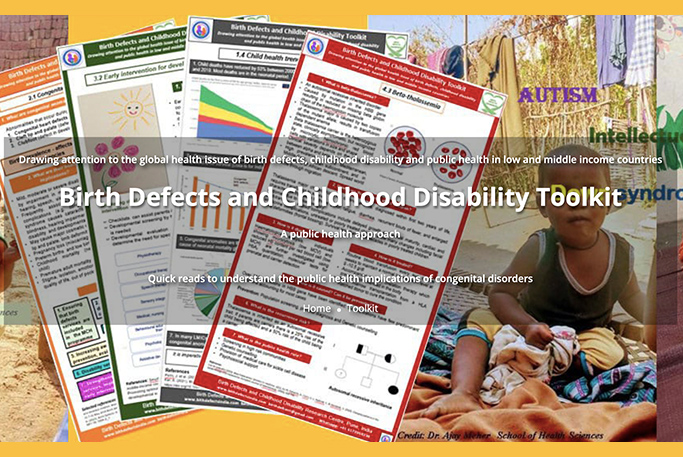
Our earlier work focused on the epidemiology and social consequences of a prevalent genetic disorder, hemophilia. In addition to quantitative and qualitative methods, we have utilized molecular techniques in our studies. Being closely associated with public health education and doctoral research, we have developed a Birth Defects Toolkit to introduce students without a clinical background to these disorders and their public health implications.
SELECTED PUBLICATIONS (FROM BDRF)
1. Radhakrishnan B, Chatta V and Kar A (2025) Public health interventions for a birth defects service for low and low-middle income countries: Implications from a community study in India. Journal of Public Health Policy Dec 14:1-13
2. Kar A. (2024) Birth defects reporting and surveillance in India: a narrative review. J Community Genet. Dec 9. doi: 10.1007/s12687-024-00760-5. Epub ahead of print. PMID: 39652147.
3. Dharmarajan, S., Bhide, P., & Kar, A. (2024). Sources of bias in studies reporting birth prevalence of congenital anomalies: a scoping review and reporting checklist. Journal of Public Health, fdae299.
4. Kar, A., Dhamdhere, D., & Medhekar, A. (2023). “Fruits of our past karma”: a qualitative study on knowledge and attitudes about congenital anomalies among women in Pune district, India. Journal of Community Genetics, 3; 1-10.
5. Wimmelbücker L and Kar A.(2022) History of thalidomide in India. Medical History 67(3),228-246
6. Kar, A., Yajnik, C. S., Doke, P. P., Bhide, P., Chutke, A., Radhakrishnan, B., & Phadnis, S. (2022). Mandatory food fortification with folic acid. The Lancet Global Health, 10(10), e1390.
SELECTED EARLIER PUBLICATIONS
7. Dharmarajan, S, & Kar, A. (2023). Prevalence of beta thalassemia carriers in India: a systematic review and meta-analysis. Journal of Community Genetics, 14(6), 527- 541.
8. Ujagare D and Kar A (2021) Birth Defect Mortality in India 1990-2017: Estimates from the Global Burden of Disease Data. Journal of Community Genetics 12, 81-90
9. India State-Level Disease Burden Initiative Child Mortality Collaborators. Subnational mapping of under-5 and neonatal mortality trends in India: the Global Burden of Disease Study 2000-17 Lancet. 2020;395(10237):1640-1658. doi:10.1016/S0140- 6736(20)30471-2
10. Kar A, Radhakrishnan B, Girase T, Ujagare D, Patil A. Community based screening and early intervention for birth defects and developmental disabilities: Lessons from the RBSK programme in India Disability, CBR & Inclusive Development 31(1) 30-46
11. Zimmerman, M. S., Smith, A. G. C., Sable, C. A., Echko, M. M., Wilner, L. B., Olsen, H. E., ... & Castro, F. (2020). Global, regional, and national burden of congenital heart disease, 1990–2017: a systematic analysis for the Global Burden of Disease Study 2017. The Lancet Child & Adolescent Health. Published online January 21, 2020 https://doi.org/10.1016/S2352-4642(19)30402-X
12. Bhide P and Kar A (2018) Prevalence and determinants of folate deficiency among urban Indian women in the periconception period Eur J Clin Nutr (DOI: 10.1038/s41430-018-0255-2)
13. Bhide P and Kar A (2018) : A national estimate of the birth prevalence of congenital anomalies in India: systematic review and meta-analysis BMC Pediatrics 18:175 https://doi.org/10.1186/s12887-018-1149-0
14. Bhide P, Gund P and Kar A (2016) :Prevalence of Congenital Anomalies in an Indian Maternal Cohort: Healthcare, Prevention, and Surveillance Implications PLoS ONE 11(11): e0166408. doi:10.1371/journal.pone.0166408
15. Gund P, Bhide P, Kar A. (2016) Prevalence of Periconception Risk Factors for Adverse Pregnancy Outcomes in a Cohort of Urban Indian Women: Implications for Preconception Health Education. J Women’s Health Care. 2016;5: 296. doi:10.4172/2167-0420.1000296 .
Books
16. Kar Anita Ed Birth Defects in India : Epidemiology and public health implications. Springer, Singapore;2021.
17. Kar Anita, Eide Arne, Hedlund Marianne (Ed). Global health and Disability (forthcoming). Springer Nature, under Springer Sustainable Development Goals series.
18. Pal J K, Kar Anita Birth Anomalies : When Development Goes Awry (forthcoming) IISc Press